| Aspect | Details |
|---|---|
| Event | India is set to introduce its first comprehensive anti-terror policy. |
| Purpose | To strengthen national security architecture by providing a unified framework for Centre and states. |
| Key Focus Areas | - Digital radicalization- Misuse of open borders (e.g., Nepal frontier)- Foreign-funded conversion and radicalization networks. |
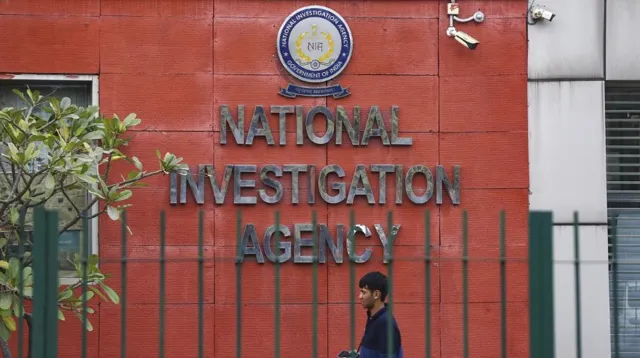
| Preparation | - NIA conference scheduled for December 26-27, 2023 in New Delhi.- Consultations led by NIA Director General Sadanand Date and NSG Chief Brighu Srinivasan. |
| Influential Cases | - April 22 Pahalgam terror attack: Highlighted the need for improved data access through NATGRID.- November 10 suicide attack near Red Fort: Revealed the role of online radicalization. |
| Background | - India lacks a single overarching national anti-terror policy.- New policy aims to integrate intelligence-sharing, preventive strategies, and operational responses. |
| Significance | - Marks a shift from reactive counter-terrorism to proactive intelligence-driven prevention.- Aims to enhance inter-agency coordination. |
| Key Takeaways | - First comprehensive anti-terror policy.- Focus on digital radicalization, open borders, and foreign-funded networks.- NATGRID, NIA, NSG, IB, and state police play crucial roles. |
| Question | Q. India is set to introduce its first comprehensive policy in which area?A. CybersecurityB. Anti-terrorismC. Border managementD. Disaster management |

Contact Counsellor